A Potter's Guide to Stoke-on-Trent: Studios, Suppliers and Ceramics Heritage
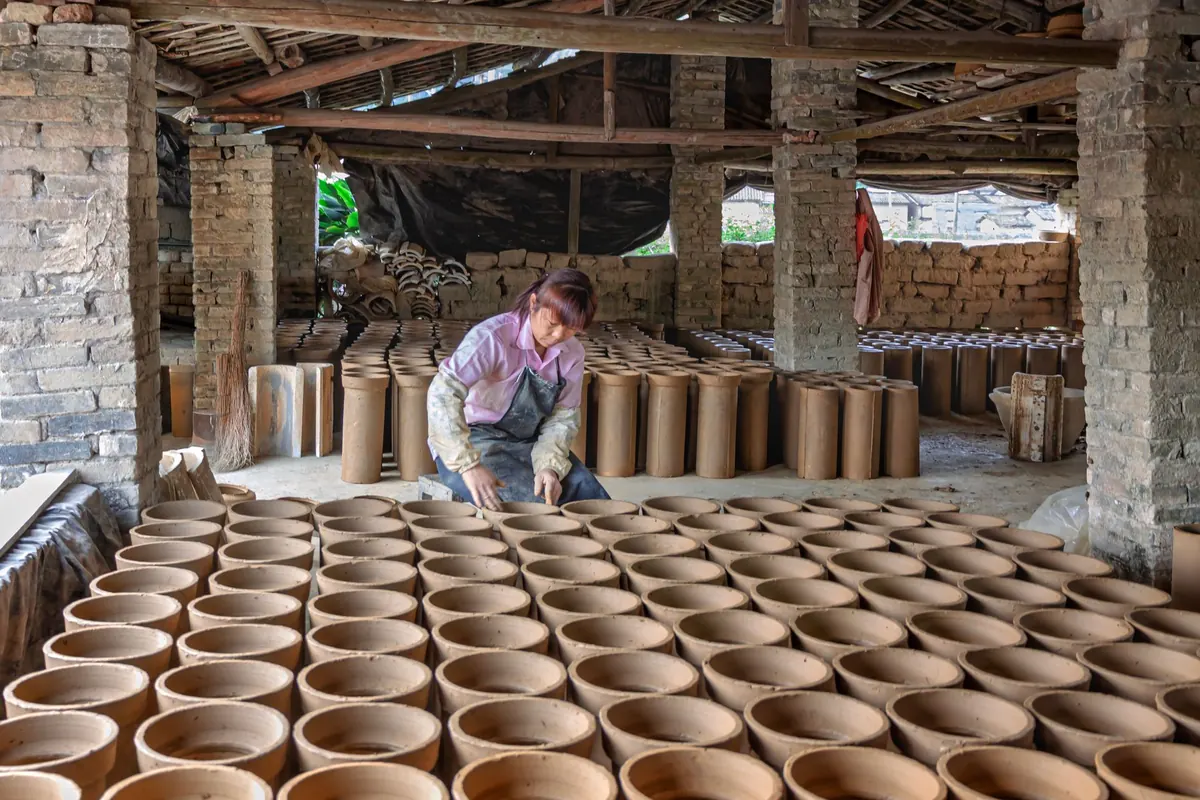
Stoke-on-Trent doesn't put on a show. Six towns — Tunstall, Burslem, Hanley, Stoke, Fenton and Longton — run into one another, and the landmarks that matter are mostly brick: bottle kilns, canal wharves, works with their names picked out in glazed tiles. The industry that shaped the city is still a working trade rather than a heritage theme, which is exactly what makes it worth a potter's time. You can watch transfer printing being done by hand, buy clay from the people who made it, and come home with a teapot that cost less than the petrol.
The distinction matters. In most places where ceramics were once made, the kilns have gone and the story is told through vitrines and audio guides. Here the trade is live: bodies are still blunged in Burslem, machines still jigger and jolley, decorators still sit at benches with a steady wrist and a bad back, and several of the firms that supplied your great-grandmother's pottery are still answering the phone. Arnold Bennett set his novels in the Five Towns and left Fenton out; Fenton has never entirely forgiven him. That small grievance tells you most of what you need to know about the place.
This guide is pitched at someone who already throws or casts — or intends to — and wants to spend two or three days inside the trade rather than beside it. The one thing to plan around is opening hours. Half the good places are volunteer-run, out of the way, or open only two or three days a week, so ring ahead rather than trusting a website last updated in 2019.
Museums that explain the trade
The Potteries Museum & Art Gallery in Hanley is the place to start. Its ceramics collection is one of the finest anywhere: slipware, creamware, jasper, lustre, Staffordshire figures and a strong showing of twentieth-century studio work. Give the ceramics galleries two hours on their own; the rest of the building, including the Staffordshire Hoard, will happily take more if you let it. Entry is free, and the staff are used to people photographing glaze recipes on the panels.
Gladstone Pottery Museum in Longton is the last complete Victorian pottery works in Britain, and arguably the single best stop for anyone who wants to understand how the industry actually worked. There's a sliphouse, a saggar makers' shop, bottle kilns you can walk around, and a decorating studio where you can paint a tile and have it fired. Look for the job titles on the workshop boards: the saggar maker's bottom knocker was a real trade, and a well-paid one. The works also shows you the sequence nobody explains properly in books — how a piece moved from clay to greenware to biscuit to glaze to decoration to muffle kiln, and how many pairs of hands touched it on the way. It's ticketed, and opening days vary out of season, so check before you set out.
Smaller and quieter is the Dudson Museum in Hanley, a family firm's collection housed in a bottle kiln on the works site. It is worth half an hour if it's open — ring ahead, as small museums in the city depend on volunteers and often close at short notice when one of them can't come in.
If you have a full day, add Middleport Pottery in Burslem, where Burleigh still makes ware in a Victorian works on the canal, and World of Wedgwood at Barlaston for the factory tour and the design archive. Middleport is the one to choose if you only have time for one: the buildings are unrestored in the right places, and the tissue transfer printing is still done by hand at speed.
Clay, glazes and suppliers
This is the section that justifies the trip for most people. Stoke is a ceramics supply town, and the trade counter is not a hobby shop.
- Valentine Clays (Stoke) — one of the biggest clay suppliers in the country. Their standard bodies cover the usual range, and they will talk you through formulation if you want something specific: a warmer grog, a body that throws tall, a white stoneware with less iron in it than the last batch. Useful for anyone moving past 12.5 kg bags.
- Potclays (Kidsgrove, just north of the city) — clays, raw materials, frits and stains, kiln furniture. A serious catalogue and staff who know what a glaze defect looks like when described over the phone.
- Potterycrafts (Stoke) — tools, glazes, kilns and sundries. The place to re-stock a studio in one visit and to buy the small things it is never worth paying postage on.
- Wengers (Etruria) — a long-standing ceramic materials house with a shop for amateurs and plenty of stock for the trade.
Phone before you travel, ask about minimum orders and collection times, and remember that a pallet of clay weighs a great deal more than you think it does. If you are driving, bring the car empty.
Studios, courses and somewhere to throw
You don't need your own kiln to spend a week making things here. Middleport Pottery rents workspace to makers and runs courses and family sessions, including a chance to throw on a wheel. Gladstone's decorating studio fires what you paint. Emma Bridgewater's factory in Hanley lets you sponge and stencil a pot and posts it on when it's fired. Staffordshire University and the local college both run ceramics programmes, and the evening classes fill quickly with people who work in the industry and want to keep their hand in.
Firing is the perennial problem for visiting potters. Several studios will fire your work for a fee if they have a kiln going anyway, but ask early and don't turn up with a wet board of greenware expecting a favour. If you are here in the autumn of an odd-numbered year, the British Ceramics Biennial takes over the old Spode Works, and that alone is worth timing a trip around.
Buying: factory shops and the business of seconds
Every potter in Britain has a mental map of Stoke's factory shops. Emma Bridgewater, Burleigh at Middleport, Wedgwood at Barlaston, Moorcroft in Burslem with its tube-lined ware painted by hand. What has changed is the pricing: the big visitor centres now sell gifting and afternoon tea, and the honest bargains have moved.
The trade's own word for a flawed pot is a second, and the marks are subtle — a glaze run, a handle set a degree off true, a transfer print half a millimetre out of register. They are structurally sound and they are inexpensive. Longton has been the seconds town for a century, and the charity shops in Longton and Burslem are where old hotel ware and discontinued patterns turn up at prices that make no sense at all.
A second in Stoke is not a broken pot. It is a pot with a legible history. If you can live with the flaw, you can buy three times the pottery for the same money.
Practical notes
- Getting there. Stoke-on-Trent station sits on the West Coast Main Line, about ninety minutes from London and forty from Manchester. The station is in Stoke, not Hanley, and the six towns are spread out; a car makes the day far easier.
- Getting around. Buses link the towns, but they are slow. The Trent & Mersey and Caldon canals run through the middle of everything, and Middleport is directly on the towpath — a good walk on a dry day.
- Timing. Many sites close Mondays and Tuesdays and shorten hours out of season. Book factory tours in advance; they sell out at weekends.
- Eating. Order a Staffordshire oatcake — a soft, yeasted, savoury pancake rolled around bacon and cheese. It is the local breakfast, it costs almost nothing, and no one in the trade skips it.
- Staying. Hanley for the city centre and the Potteries Museum; Trentham or the outskirts for cheaper parking and easier driving.
Come for the kilns and the collections, but leave room in the boot. The reason this city rewards a potter is not nostalgia — it is that the same supply chains, skills and seconds bins that built the industry are still running, and they are still open to anyone who turns up with a van and an interest.
Photo: Man Fong Wong / Pexels