Christmas Ceramics: Making and Glazing Festive Tableware
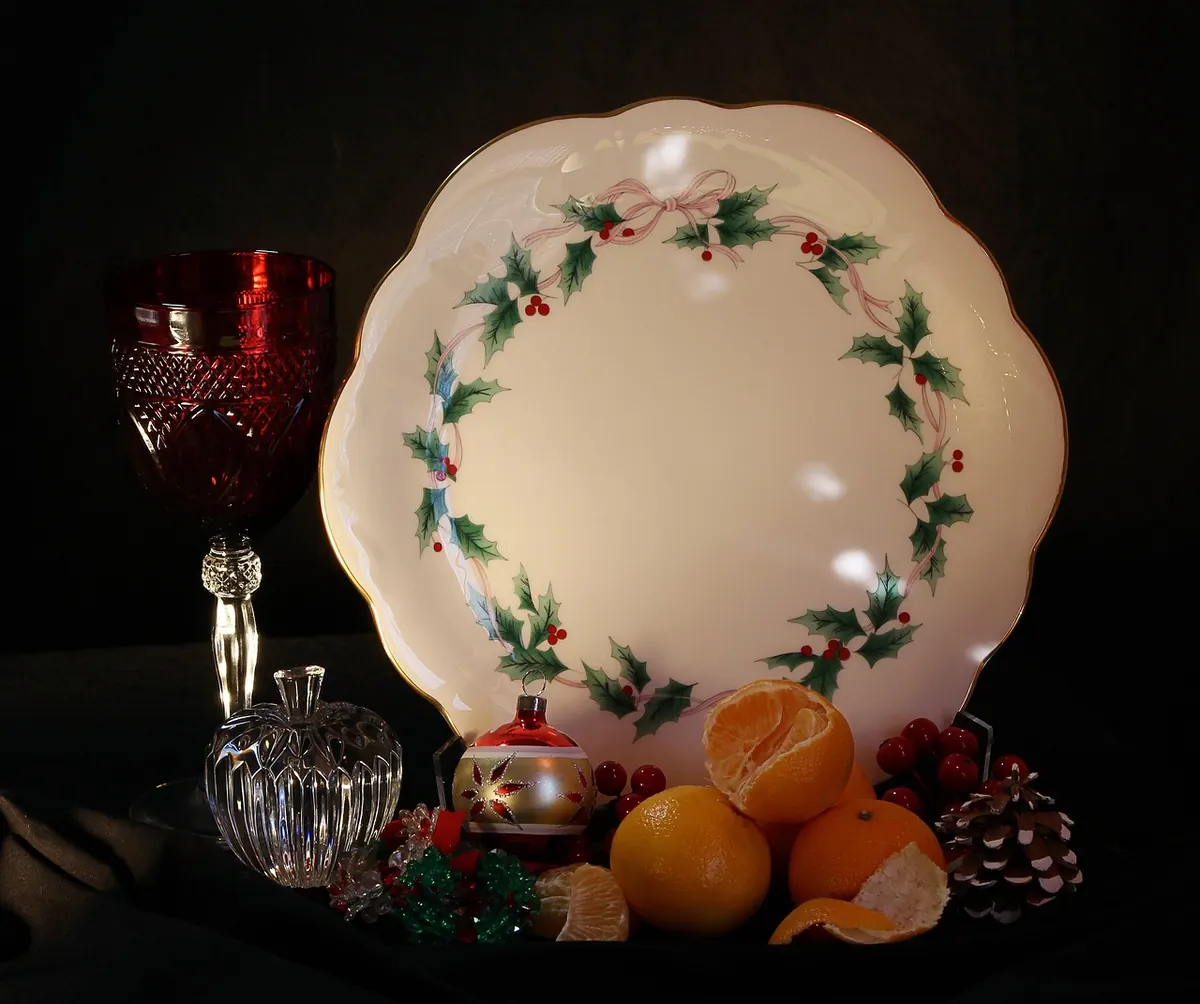
There is a particular satisfaction in setting a Christmas table with pieces you made yourself: a deep red serving bowl holding roast potatoes, a mug of spiced apple that nobody wants to put down, a small dish of salt with a thumbprint well pressed into the centre. Festive tableware is also one of the most forgiving things a potter can make. Nobody expects a Christmas platter to be perfectly symmetrical — they expect it to be generous, and full of food. What follows are project ideas worth starting now, glaze combinations worth testing, and a few practical notes on timing and food safety that will save you a frantic week in December.
Choose Clay and Forms That Can Take the Heat
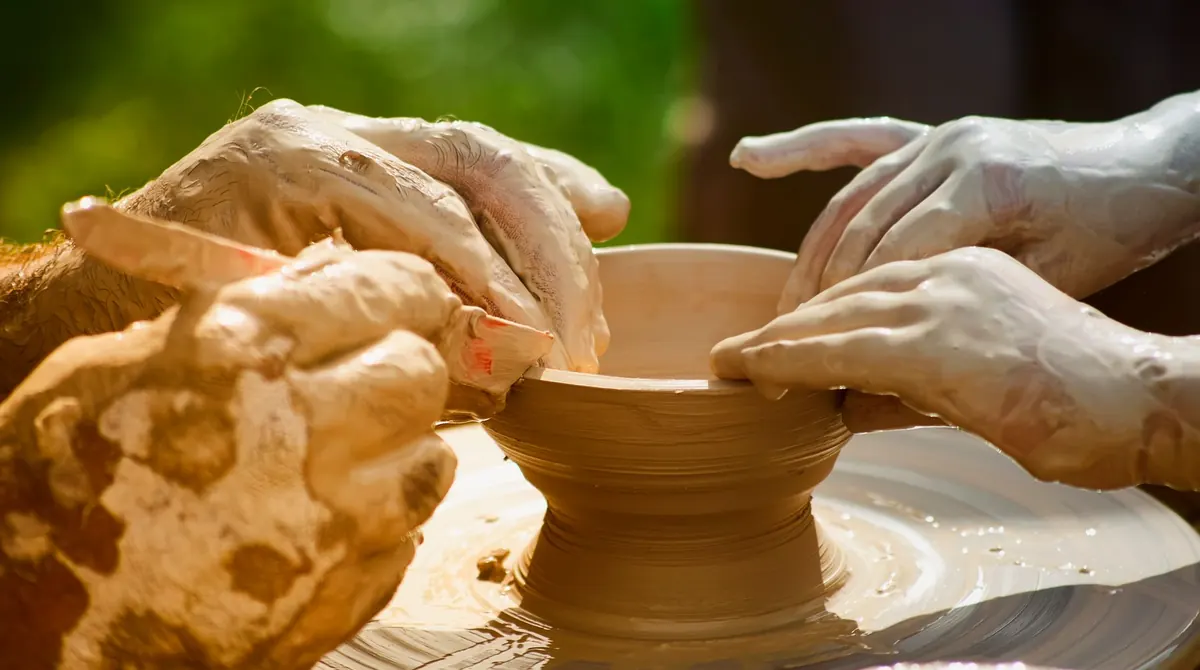
Mid-fire stoneware, roughly 1200–1260°C, is the sensible default for anything that will hold gravy, custard or mulled wine. It vitrifies to a dense, strong body that shrugs off hot water, dishwasher cycles and the annual clatter of plates. Earthenware fires lower and stays more porous, so it needs a well-fitting glaze and a gentler life; keep it for decorative pieces or tableware you know will be washed by hand. Terracotta also chips more readily at thin rims, which matters on a day when the washing-up is being done by a crowd.
Think about how each piece will actually be used. A serving platter wants a wide, flat centre and a rim you can grip through a tea towel. Mugs need handles with room for two fingers and rims that are neither razor-thin nor so thick they feel clumsy against the lip. Small bowls for olives, nuts and cranberry sauce make good gifts and use up oddments of clay. Keep stacking in mind, too: an oval platter that fits your shelf but not your kiln is a heartbreak in November.
Food-Safe Glazes: The Basics
A glaze can be beautiful and still be wrong for a plate. If you are new to glaze chemistry, the safest route is a commercial, clearly labelled food-safe glaze from a reputable supplier, fired to the maker's recommended cone. Lead-free is non-negotiable for any surface that touches food. If you intend to sell your work, check the food-contact requirements that apply to ceramic ware before you list anything.
Decorative finishes belong on the outside. Metallic lustres, high-copper greens, heavily saturated reds and anything with an alluring metallic sheen should stay away from the surface that holds food. This is where the liner glaze earns its keep: a simple white or clear, tested food-safe glaze inside the bowl or mug, with the interesting glaze on the exterior, stopping just short of the rim.
Two tests are worth building into your routine. First, check for crazing — the network of fine cracks that lets liquid into the body and gives bacteria somewhere to settle. A small test cup filled with boiling water and then plunged into cold will usually reveal it, and a hot dishwasher cycle helps too. Second, drag a knife across a test tile. Matte glazes that show a grey metal mark will look tired after a few roast dinners, even when they are perfectly food safe.
If you are unsure whether a piece is suitable for food — an inherited dish, something of unknown origin from a charity shop, an old jar of glaze with no paperwork — treat it as decorative and enjoy it that way.
Six Festive Projects Worth Starting in Autumn
- A generous oval platter. Thrown or slab-built, with a rolled rim and a white liner glaze. Decorate with sgraffito holly, a stamped border, or nothing at all.
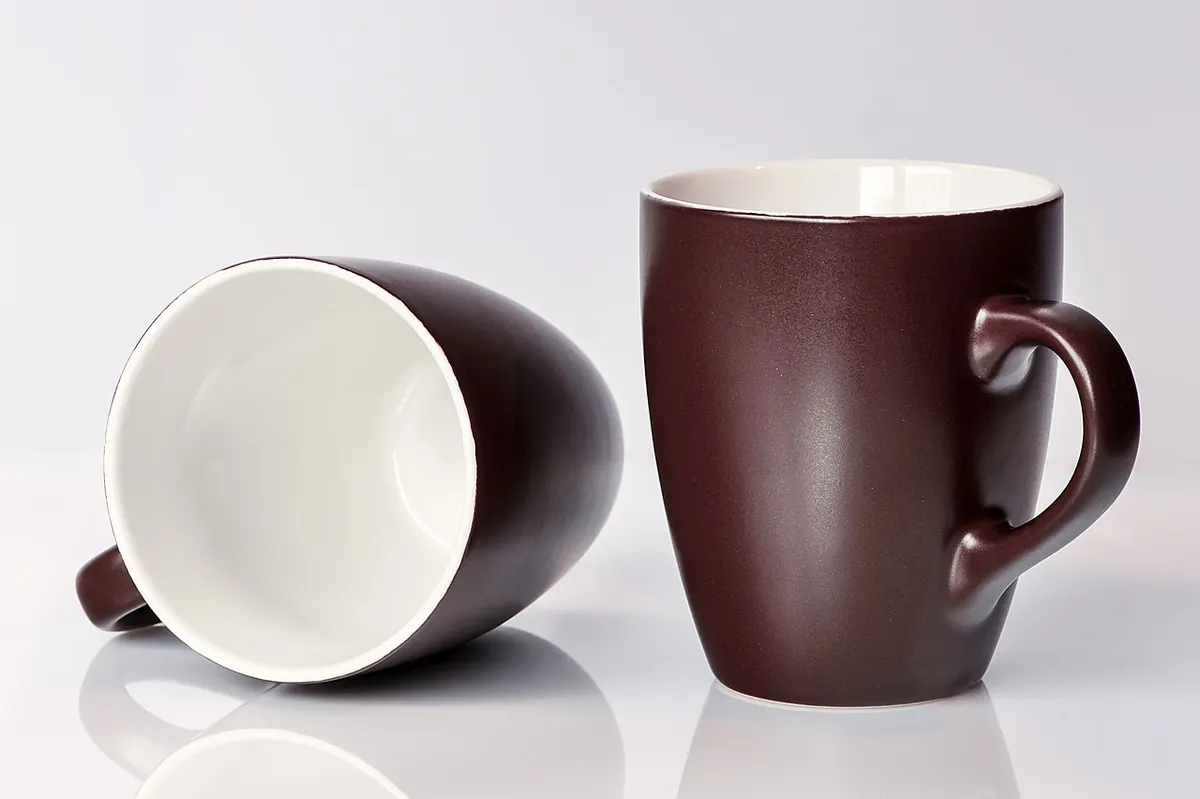
- Stamped name mugs. Throw six identical mugs, then press each person's initial or full name into the leather-hard wall. Reliably the most appreciated gift in the batch.
- Slab-built star dishes. Roll a 6mm slab, cut around a paper template, drape it over a hump mould and dry it slowly under loose plastic.
- A two-pint gravy boat. Fiddly, but it earns its place at the table, and the handle is a good exercise in pulling.
- Nibble bowls in sets of six. Small dishes in different glaze combinations let you test new colours and give away the results.
- A Christmas Eve plate for children. Paint a carrot in underglaze on a slab plate and leave space for the mince pie.
Glaze Combinations That Say Christmas
Seasonal colour does not have to mean novelty. A bright tin white liner with a deep glossy red outside is the classic combination, though reds are temperamental and deserve their own test tiles first. Cobalt blue brushed over a white slip, with snowflakes scratched through to the clay, gives a crisp, graphic look that still works in January. Celadon green with a tenmoku brown dipped over the rim layers beautifully and flatters roast meat and dark greens alike. A speckled oatmeal exterior with a blue-green liner is quieter, and suits a table that is already busy.
Dipping at an angle — holding the piece by the foot and lowering it two-thirds of the way into the bucket — turns the overlap line into a design feature. Number your test tiles and keep notes, because the same glaze reads differently in a different kiln load, and a combination you loved in October is worth repeating exactly in December.
Work Backwards from Christmas Day
Thick platters need far longer to dry than mugs. Cover new work loosely with plastic for the first few days, then let it dry slowly in a cool spot; rushing a heavy slab is the quickest way to a crack that appears only after the glaze firing. After that comes the bisque firing, glazing, the glaze firing, sanding, washing and packing. Kilns queue in November, so if you fire in a shared studio, book your slots early.
- Make and dry greenware — two to three weeks for anything chunky.
- Bisque fire, then inspect for cracks and sharp edges.
- Glaze, wipe the foot clean, and check the glaze thickness against a test tile.
- Glaze fire.
- Wet-sand the foot ring under a trickle of water, wash, and dry thoroughly.
- Wrap, label and store — and make two extras, because something always breaks on Christmas Eve.
Finishing and Giving
A smooth foot ring makes a pot feel considered. Wet sanding under running water keeps the dust down; wear a mask for any dry sanding, as clay and glaze dust is not something to breathe in. Warm a cold pot with hot tap water before pouring in boiling liquid, and say so on the card, because thermal shock is a real risk with any ceramic.
Care card wording: “Handmade stoneware. Dishwasher safe on a normal cycle, though hand washing keeps the glaze looking its best. Warm the pot before adding boiling water.”
Only claim what you have actually tested. If you are not sure a glaze survives the dishwasher, tell the recipient to wash it by hand and leave it at that.
Personal touches cost little: a name stamped into the base, the year scratched into the foot, a small painted heart inside a rim. Sign your work. Presentation matters too — a kraft box, a sheet of tissue and a card with care notes, or a clean tea towel wrapped around the bowl so the wrapping becomes part of the gift.
The Week Before Christmas
By now the making is done and the job is mostly checking. Wash every piece in warm soapy water, dry it fully and hold it up to the light to look for cracks or rough spots. Set aside anything with a decorative-only surface and label it clearly so it does not end up holding the brandy butter. Test one mug with boiling water before you hand over a set. Keep a notebook of which glaze combinations worked, which reds went muddy, and how many mugs your kiln shelf actually holds — next October you will be grateful for it. A Christmas table does not need to be perfect. It needs to be used, and the small chip on the gravy boat's rim is a story rather than a flaw.
Photo: JamesDeMers / Pixabay